

Nobody wakes up hoping to have their mind changed. I say it to every executive about to take something difficult to a board of directors.
You are not there to inform them. You are asking seven people to think differently, inside an hour, about something they were comfortable with yesterday. Your audience is selfish, and I mean it as a compliment. Every one of them is asking what’s in it for me.
A board can say no, so the objections can’t wait for the meeting. You work out beforehand what each director will object to, and you put those objections into the story you tell, so the one who was going to argue hears his own worry answered before he raises it.
Everything else follows from that. Not from more data, and not from more conviction. You are the CEO in that room, and everyone at the table already knows you want a yes.
How to convince individual board members, not the board as a whole
When someone brings me a difficult meeting, the first thing I look at is the pronouns.
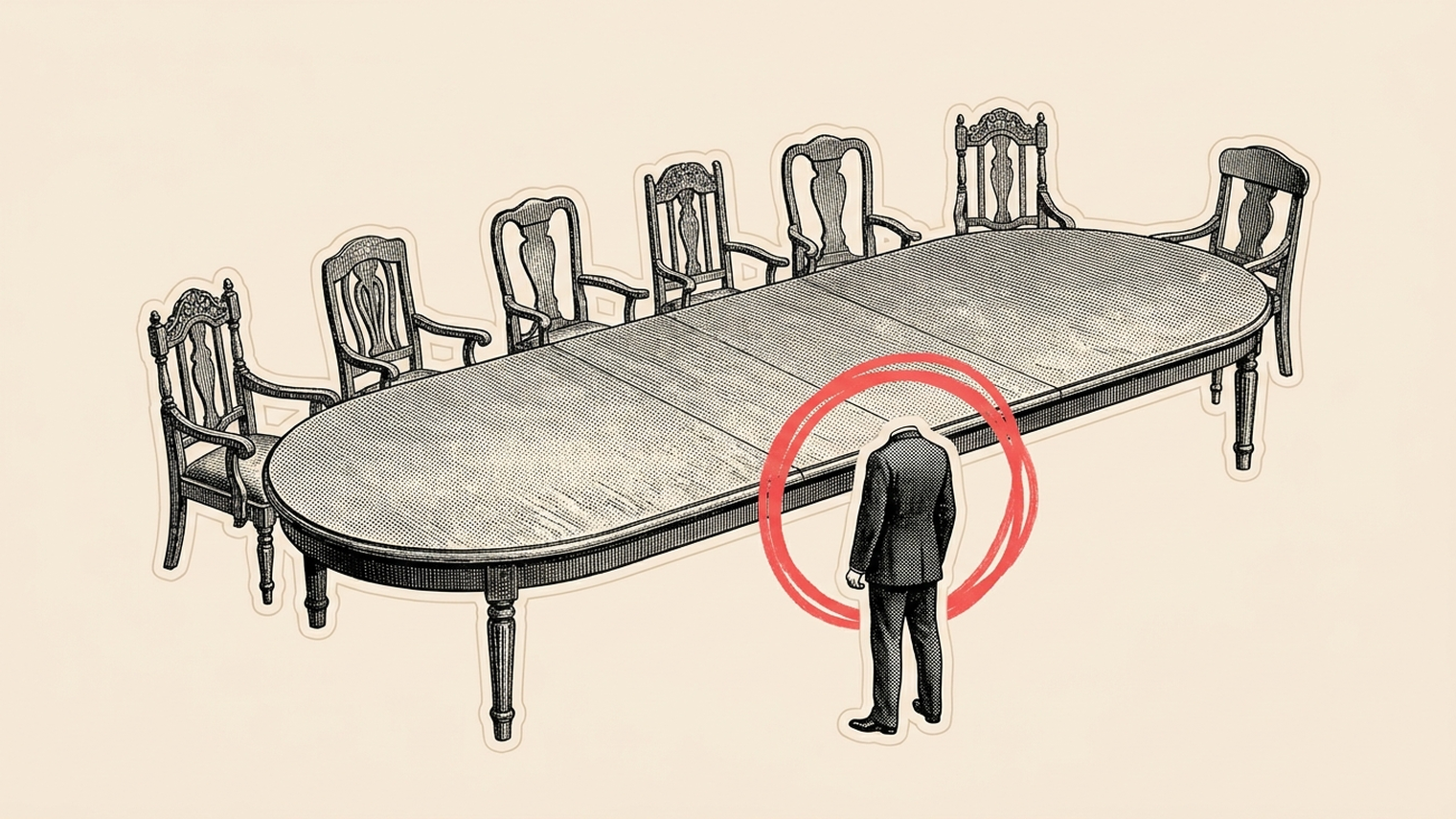
Try it on your own change. Say it starting with I. I have spent six months on this, I believe it is right, I need your support. Honest, and dead on arrival, because every sentence is about you.
Now say it with we. We need to move faster, we have built something that has stopped working. Warmer. But there is a lot of I inside we, and a board hears it.
Now say it with the thing itself. The business model has stopped paying for itself. Better, because now there is a fact on the table that everyone can look at together.
Then say it with you. You brought me in to build something that lasts, and what we built stops working in eighteen months. You are the people who will have to answer for that.
Same information, four times. Only the last one puts the listener in the room.
Which is why you can’t convince a board of directors as a body. You can only convince the people on it, one at a time. Your chair has a different reason to be careful than the investor who put money in, and the sentence that reaches one of them slides off the other. While you talk, each of them is running a private question. What does this mean for me? For the reputation I have spent ten years building?
There is a second move that costs you nothing. At the start, tell the room how you intend to use the hour. Not an agenda, just the shape of it. Two problems, one decision, and the last twenty minutes are theirs. People who know how the time will be spent stop bracing for it and start listening.
How to find out which directors will push back, before the meeting
Now the part almost everybody skips.

Before I write a word of a talk I map the audience. Not the topic, not myself. The audience. Sometimes that means imagining a stranger. With a board it doesn’t, because you have sat across from these people for years. You already know them. You have just never written any of it down.
So write it down. Take one director, give her a name, an age, a city, a job. Call her Claire. Forties, London, came onto your board with a finance background and years in the City behind her.
Then her life. Work and home, and the home half matters. Claire is married, one kid, cycles with the family on weekends, does woodworking, keeps a dog. None of that goes in the board materials. All of it tells you who is across the table.
Then work, past the job title. What was she brought on to do? What has she built since? Who would notice if it went badly? She is analytical, careful with risk, trusted, and the trust took her years.
Now the two lines that do the work. What does Claire think and feel about this today, and what do you need her to think and feel by the time you sit down? That gap is the job. It is different for every person in the room, which is why one argument aimed at all of them lands with none of them.
For Claire the gap is her reputation. She built something here and you are asking her to accept a change that puts it at risk. For the director beside her, who has spent two years watching competitors move, the same change reads as relief.
You didn’t guess at either one. You wrote them down.
If your board splits into two or three genuinely different kinds of director, run it again for each one. Same exercise, different person.
How to raise the risks of the change without weakening your case
Every time you communicate you are sending two things at once. There is the message, and there is the state of the relationship, and they move together. Teach someone something and both go up. Ask them for something and both go down. Ask often enough without giving anything back and you end up in debt on both.

A board meeting where you want approval is an ask. You arrive already overdrawn, and the instinct every CEO has at that point is to protect yourself by making the plan look flawless. No downside, no cost, nothing that could go wrong.
That instinct is the mistake. A story is only as good as its villain, and in business we take the villain out before anyone sees it. But a problem is the thing that makes people pay attention. Give your directors something hard to chew on and they lean in. Give them something with no rough edges and they will go looking for the rough edges out loud, in front of each other.
So name the risks yourself, early, while you still choose the order they arrive in. Naming a risk is giving rather than asking, and it puts you back in credit before you need the vote.
One rule holds all of it together. The villain is the change. Never a person in the room. The moment a director becomes the obstacle in your story you have lost her.
How to answer an objection before a director says it out loud
There are eight steps in the way I build a talk, and the fifth is reactions. It decides whether the other seven mattered.
You have brought the change, and now people push back. Nobody is convinced automatically. In a room this small you feel every reaction land, and there is nowhere to put it.
In a room that can veto you, an objection you did not prepare for does not become a comment. It becomes a no.
So take what you wrote down about each director, and put it into the narrative before the meeting, in your own words, in an order you chose.
Founders do this with investors already. If you have ever pitched a fund you know the list by heart: the market is too small, the competition is fierce, anyone could copy this, somebody bigger will build it in a quarter. The good ones don’t wait to be asked. They put every one of those into the pitch, so the answer arrives before the question and the fund hears its own doubt taken seriously rather than brushed away.
Two things change how well that works.
The first is anchoring. When Steve Jobs introduced the iPhone he did not open with the iPhone. He put four existing smartphones on the screen and spent real time on everything wrong with the keyboards nobody could change. By the time the new thing appeared, the room had already agreed it was needed. Show your board the status quo in enough detail that they feel it, and your change stops being a risk and starts being a relief.
The second is asking why. When you are stuck on how to handle an objection, stop working on the answer and ask why that director holds it. The answer is usually a story, and a story is much harder to vote against than a rebuttal.
There is a difference between answering an objection and taking it seriously. Answering says you are wrong, here is why. Taking it seriously says you are right that this costs something, here is what it costs, here is why we are doing it anyway. One of those wins the exchange. The other wins the vote.
Claire doesn’t need you to prove she is wrong to worry. She needs to hear that you understood what the change asks of her, and to hear it before she had to say it.
How two CEOs convinced their boards at the first attempt
I have done this work with senior leaders taking radical changes to their boards. One was a change of business model at a Berlin startup. The other was a move from selling a product to running an agency.
Both times the sequence was the same. Work out what the change actually is. Work out what the resistance will be. Then build the narrative around the resistance instead of around the change.
At the first attempt, in both cases, the board agreed. The data did half the work. The story did the other half.
How this fits the strategic narrative method behind it
All of this sits inside a longer arc that I call the storytelling mountain. It gets an audience interested, brings the change, deals with the reactions to it, climbs to the big idea, then lands on a summary and a set of to-dos.
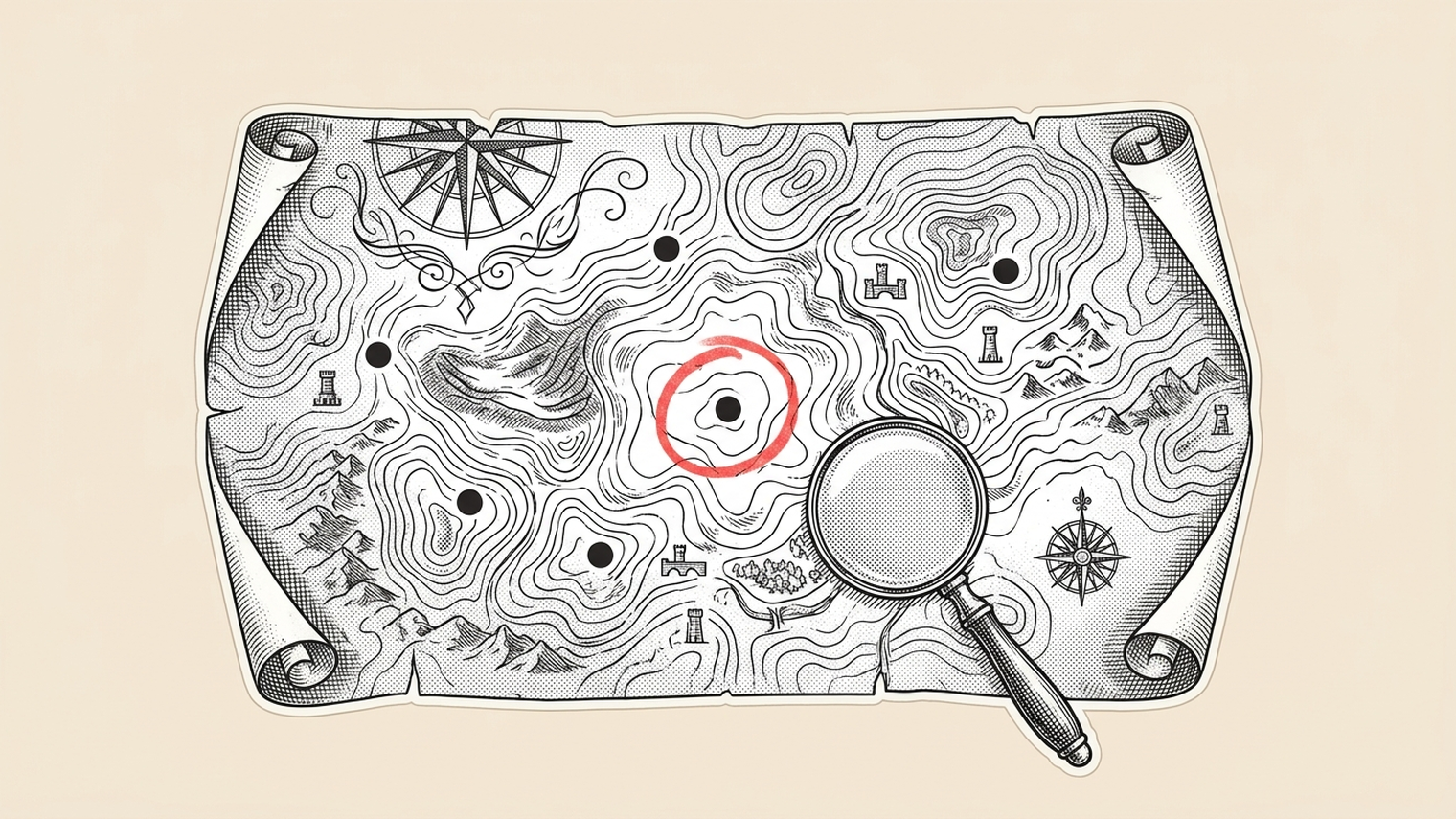
The two endings matter more than people expect. The summary is the list of points that only makes sense at the end, once the room has been on the journey. And never end a board meeting without a commitment, even a small one.
It is the strategic narrative most executives are missing when they tell me the logic was airtight and the room still said no. The whole arc is in my definitive guide to business storytelling.
What CEOs ask themselves before a board meeting
How do I know what they’ll object to? Write each director down as a person before you write the case. What they were brought in to do, what they have built since, what a yes and a no each cost them. Then the gap: what they think today, and what you need them to think by the end.
What if one director is already against it? Ask them to lay the objection out properly, and listen for the why underneath it. Then put that why into the story in their own words. People rarely keep fighting a case that already contains their own argument, stated fairly.
How much data, how much story? Both. The numbers make the case hold up. The story makes people act on it. Numbers on their own buy you another round of questions.
How far ahead should I start? Early enough that the meeting isn’t the first time anyone hears it. If the room is meeting your change for the first time while you say it out loud, you have given away the only advantage you had.
Nobody wakes up wanting their mind changed. That doesn’t get easier because the people in the room are senior, and it doesn’t get easier because you happen to be right.
What changes is how much of the work is already done before you walk in. The meeting is where you find out whether you did it.
If you have something difficult to take to your board and want it built properly before you are in the room, my offer is business storytelling coaching for CEOs: matteoc.com/business-storytelling-coaching/.