By Matteo Cassese. I coached executives and founders, consulted for unicorns like Netflix, and I still had to burn my own business down to learn this.
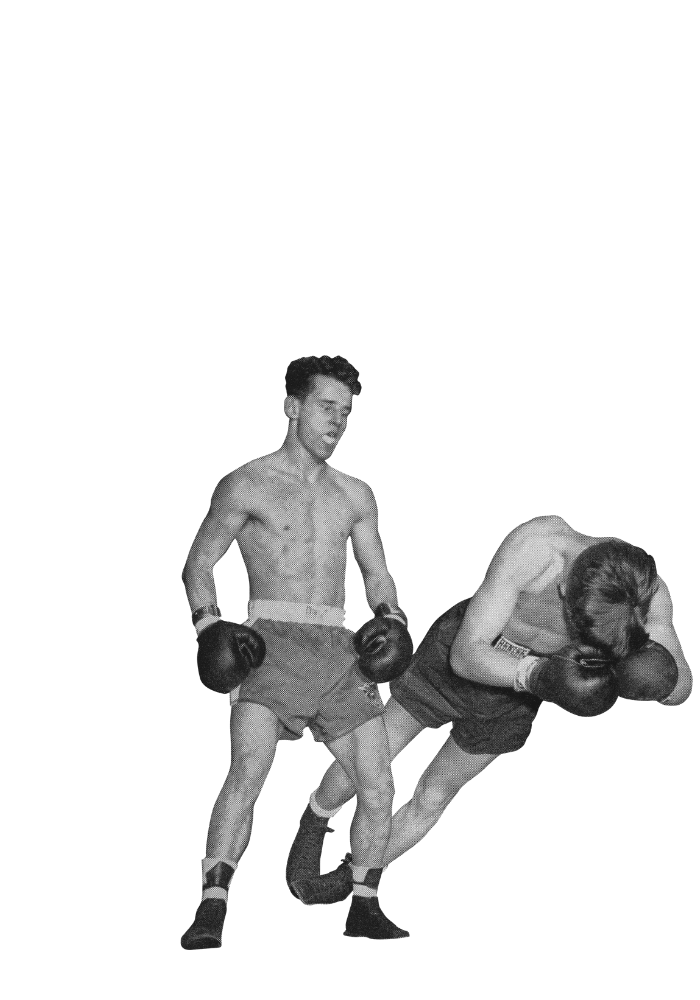
I forgot my suitcase on my way to the airport. I stepped on the bus with a backpack and a trolley. I left in a rush with just my backpack. 10 minutes later, at security, I realized my mistake. Fight or flight response. A sense of panic. I run back to the bus. But it had left already. I stand, out of breath, in a crowd of tourists. That’s where it starts. The self deprecating script: how could I be so foolish, how coul I be so stupid, how could I be so careless?
I walk back to security feeling like the worst person that ever existed, completely incapable.
My thermonuclear negative self talk had been sitting there for years just waiting for a trigger. A trolley was enough to get it out at full blast.
Self-doubt is information. Do you have enough substance? The pitch is thin, the plan has a hole, the email is wrong. Self-doubt can be useful. Yet, part of it is a pre-written verdict on your value, a negative script etched long ago. You don’t get one self-doubt without the other.
What self-doubt actually is
Self-doubt reaches you two ways: as a judging script that was in place before anything happened, and as a dip in confidence that has something to teach you.
My script had been waiting for years to be triggered, and I spend an inordinate amount of time being a good boy so that I never trigger it. I try to be careful, competent, fast and correct. Not to live better, but to stay safe from self-judgment. Once the script takes over, it’s fight or flight. I’m not living, I’m reacting.
I routinely dip into believing I am not enough, I am not safe. Each dip into lack of confidence can teach me something. What phase are you going through right now?
Self-doubt and fear are not the same thing
Do you know which one you are feeling? Doubt asks a question about the work: is this pitch ready, is this price right, do we launch now or wait a quarter. Fear is existential. It pre-dates the ideas, the action. It’s about the person. Your fear is not going to go away. Fear doesn’t leave definitively, yet it can be tamed.
My goals is not to get rid of fear. But to trust myself to go through it. Only by going through fear can I access the full power of my imagination. Once I my imagination serves me, I can make any plan and accomplish any objective, no matter how foolish, bad and wrong it may look from the outside.
In 2024 for instance, I decided to believe my own “delusion”, that I didn’t need to wait to do my dream job of coaching extraordinary individuals and speaking on the best stages. That I could start there and then, at that the market would adapt and follow me eventually. I decided to go through fear and trust myself.
At times, I don’t let fear stop me, and the rewards of going through fear are outsized.
Why silencing self-doubt makes it louder
What happens when you shut the voice down? Where do you get your strength if not from the inside? When you try an silence your self-doubt, you’re abdicating also your sixth sense, your intuition and your spontaneity. Investing energy in suppressing an emotion robs you of your creativity and drive.
That’s where you start trusting a pre-made plan, a playbook, a proven framework that someone else hands down to you. That’s where you start executing without strategizing.
As you suppress self-doubt, it grows larger. Each action done without internal conviction separates you further from your true path. Until the doubt is so big that dealing with it would require to shed your current skin and become someone new.
When the doubt is right and the plan is wrong
Have you ever been completely certain about a plan that was wrong? I have, more than once. Internal insecurity leads to making definitive decisions (“often wrong, never in doubt”) rather than smart tests (“strong opinions, loosely held”). Complexity is a symptom of insecurity.
The scientific method invites us to doubt and experiment, to change opinion based on fact, and being scientific is a great way to run a business.
Instead, I have tried to apply the scientific method to myself all my life. The scientific method is not a good way to deal with myself. From my daily diary: “Work on the art, the material, must be guided by curiosity, doubts, toil, attention, depth. Work on the self must be guided by truth, trust, faith, confidence, certainty. The craft can only get better, but the person is perfect the way it is.”
There is no A/B test to be applied to your soul. It’s perfect the way it is. The scientific method shouldn’t be used to judge the person, but the action.
Doubt the plan, not the person.
Five ways to work with self-doubt
None of these make self-doubt go away. They put it where it belongs, on the material, and take it off the person. Each one is something you can do this week.
1. doubt to the work, NOT yourself
Ask self-doubt whether it is about the material or about you. When you launch that product, when you go into that meeting, when you meet the board, it is important who you are and how you show up. Doubt about what you will say is welcome: doubt the slides, the pricing, the draft of the hard client email, and improve them. Doubt about who you are is the real danger.
2. Turn the big decision into a small test
Make the decision small enough that it can be wrong without hurting you. When I am insecure I decide big: I get very stubborn in my operating choices, measure results in an emotional way, and make great leaps in the wrong direction. A test holds the opinion strongly and the commitment loosely. Change your opinion based on fact, not emotion.
3. Turn the volume down instead of waiting for silence
Stop waiting for the voice to go quiet before you act. There is this song that says you are not worthy, and you just do not need to hear it anymore. As you turn the volume down, it is still going to be there. You just reduce the volume until you don’t hear it anymore. It’s just a hum you can ignore. It is of no consequence.
4. Stop reading your results as a verdict on you
Separate the number from the person before you look at the number. In January 2025 I was still attached to metrics, obsessing over click-through rate. I was treating the measure of performance as a measure of me. Then something shifted. A launch that lands flat, a client who walks, a quarter that misses: these events happen outside of me, they don’t influence who I am. I let the number measure the work, not my self worth.
5. Let the dipS teach you something
Stay with the feeling long enough to hear what it is about. A few things I do: I talk to my coaches. I try hard not to avoid the feeling. I give confidence to others. I meditate. I journal. And I allow for the deeper version of not feeling enough, unsafe and scarce to surface. It’s not fun. It’s the work.

Where self-doubt shows up for founders
Where does self-doubt show up when you run your company? If I feel insecure, it follows that I don’t matter. Everybody else matters. Everybody else’s opinion of me matters. My opinion of me, doesn’t matter.
Oh my, it’s a miserable place to be in for me. I had a desire for freedom, and I thought going into corporate was my rebellion, and what I was actually doing is I was back inside a system of approval, asking for permission, and I did that for almost 15 years without even realizing. Then I predicated my business success on external parameters: happy clients, revenue, growth. A hamster-wheel it took me another 10 years to break.
Success begins when you trust your ideas, after you’ve downloaded all your self-doubt.
If you run a company, three posts on this site take the same position further. Imposter syndrome isn’t the problem is for the founder who feels like a fraud in a room full of experts. Founder burnout is for the founder who is still running from a feeling. How to gain confidence at work is for the founder who has put their confidence in the wrong place.
Questions people ask about self-doubt
What causes self-doubt?
A script that was there before anything happened. Mine comes from conditioning, upbringing, expectations and fear. It lives with me, and it does not belong to me. I had the belief that I wasn’t enough, that I didn’t know enough and that I needed frameworks and playbooks to tell me how to be good at my job.
Is self-doubt normal?
Yes. I, the confidence guy, struggled with confidence for most of my life. The impostor feeling is a trick of the brain, because obviously it’s not true. We are not impostors. We are not frauds. We are where we’re supposed to be, as long as we’re enjoying what we’re doing.
How do I stop doubting myself?
You turn the volume down. The voice that says you are not worthy is still going to be there, and in a normal situation you simply do not listen to it.
What is the difference between self-doubt and imposter syndrome?
Imposter syndrome is what happens when you approach something new. I say, gardening. How hard can it be? And then three months later, I need to hire a gardener because all my plants are dying. That is about the topic, and it passes as you learn. Self-doubt about who you are does not pass with knowledge, because there is no substitute for mindset.
Does confidence cure self-doubt?
No. For many years I’ve been a teacher. I’ve thought that I could teach confidence to people. And I’ve realized I can’t. True confidence is the courage to be vulnerable, following your inner compass and learning from failure, with every doubt about the work still fully alive.
When is self-doubt a sign of something else?
When it stops being about a pitch or a plan and starts to feel like a matter of your health. Then talk to a doctor or a therapist. I have no medical training, this is not psychological or medical advice.
How do leaders handle self-doubt?
They run tests. A leader who is certain about their value keeps strong opinions, loosely held. I wrote in my 2025 review: “When you’re certain about your value, the business becomes simple.”
What to do next. The next time the script starts, in the budget meeting, before the launch, after the client email, ask one question: is this about the work, or about me? Give the work every doubt you have. If instead the doubt is about you, find someone like me. I work on this with founders, executives and leaders in all fields. I call it entrepreneur coaching.
What you should do next
Discover what’s holding you back from the inside out. Understand where you naturally have leverage and where it eludes you.
Take the free founder mindset course.
Tell me where you want to go. I’ll tell you how we get there.
About Matteo Cassese
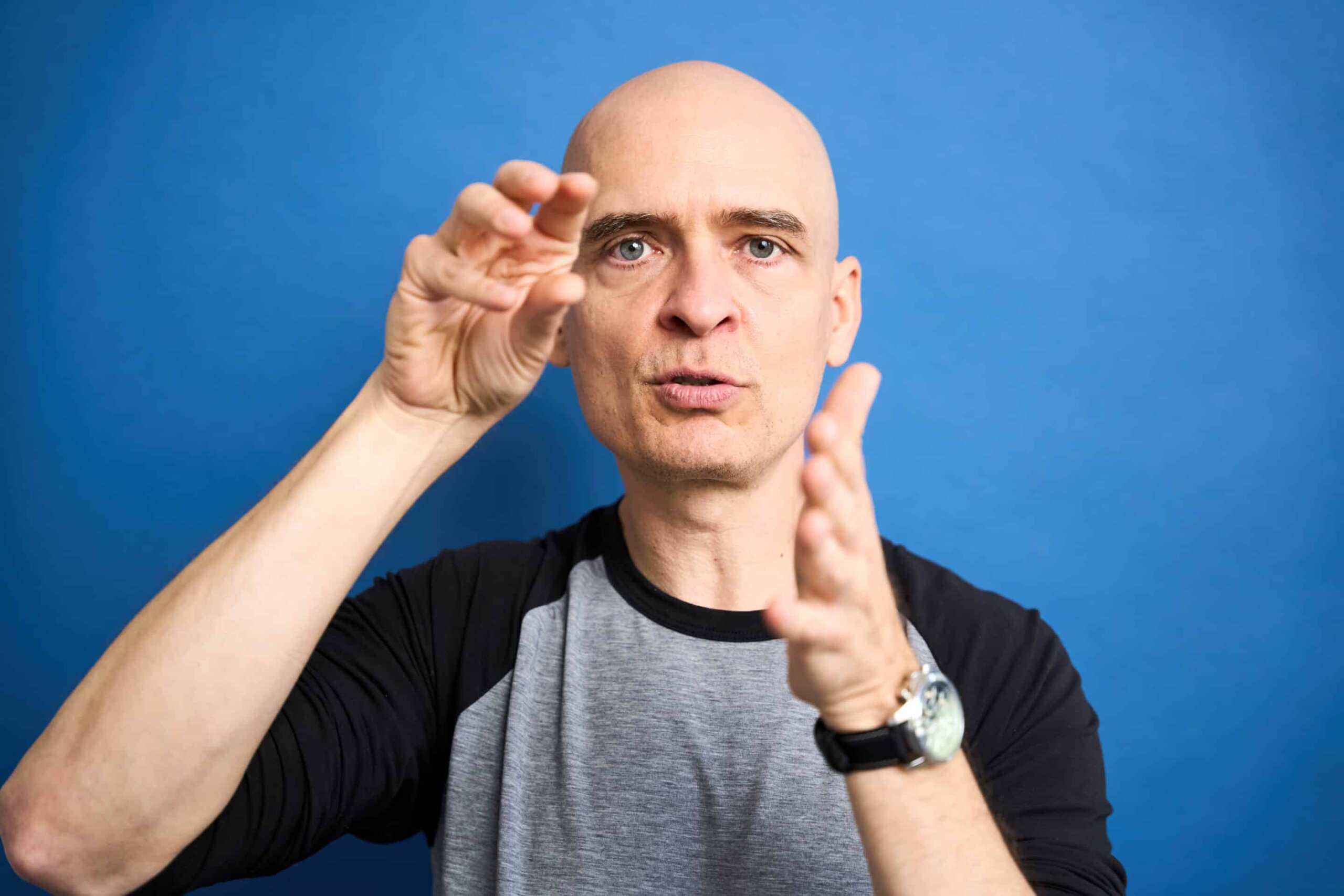
Business coach, keynote speaker, and mythmaker, Matteo helps leaders thrive in chaos and conflict. Twenty years across tech, film and consulting, seven of them at Warner Bros., founding-team at Netflix Italy, and advisory work for Sony, LinkedIn and Heineken. His unique perspective as a queer nerd passionate about mythology and technology creates a safe space for leaders to be vulnerable and reach their full potential. Read more about Matteo.